A solar installation demands far more than tallying the panels your roof can accommodate or selecting an inverter of ample capacity. The most consequential step comes first: understanding how much electricity your property consumes, when it consumes it, and which appliances shape that demand. A data logger answers all three questions with precision.
What Is a Data Logger?
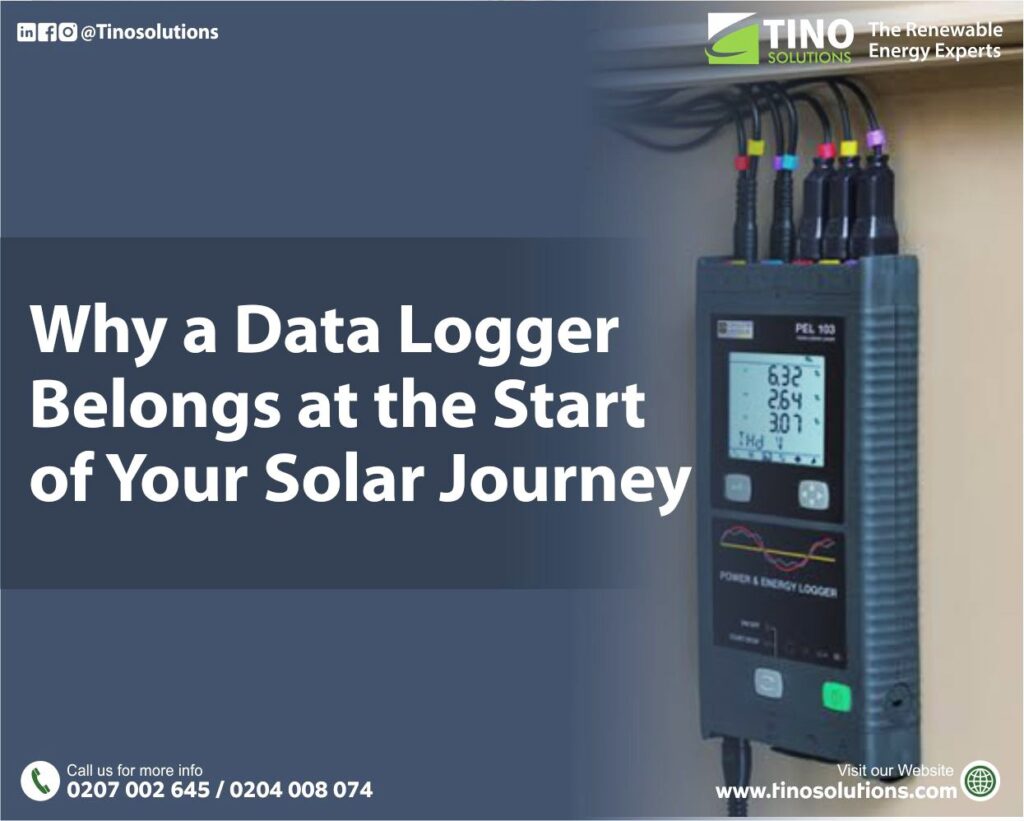
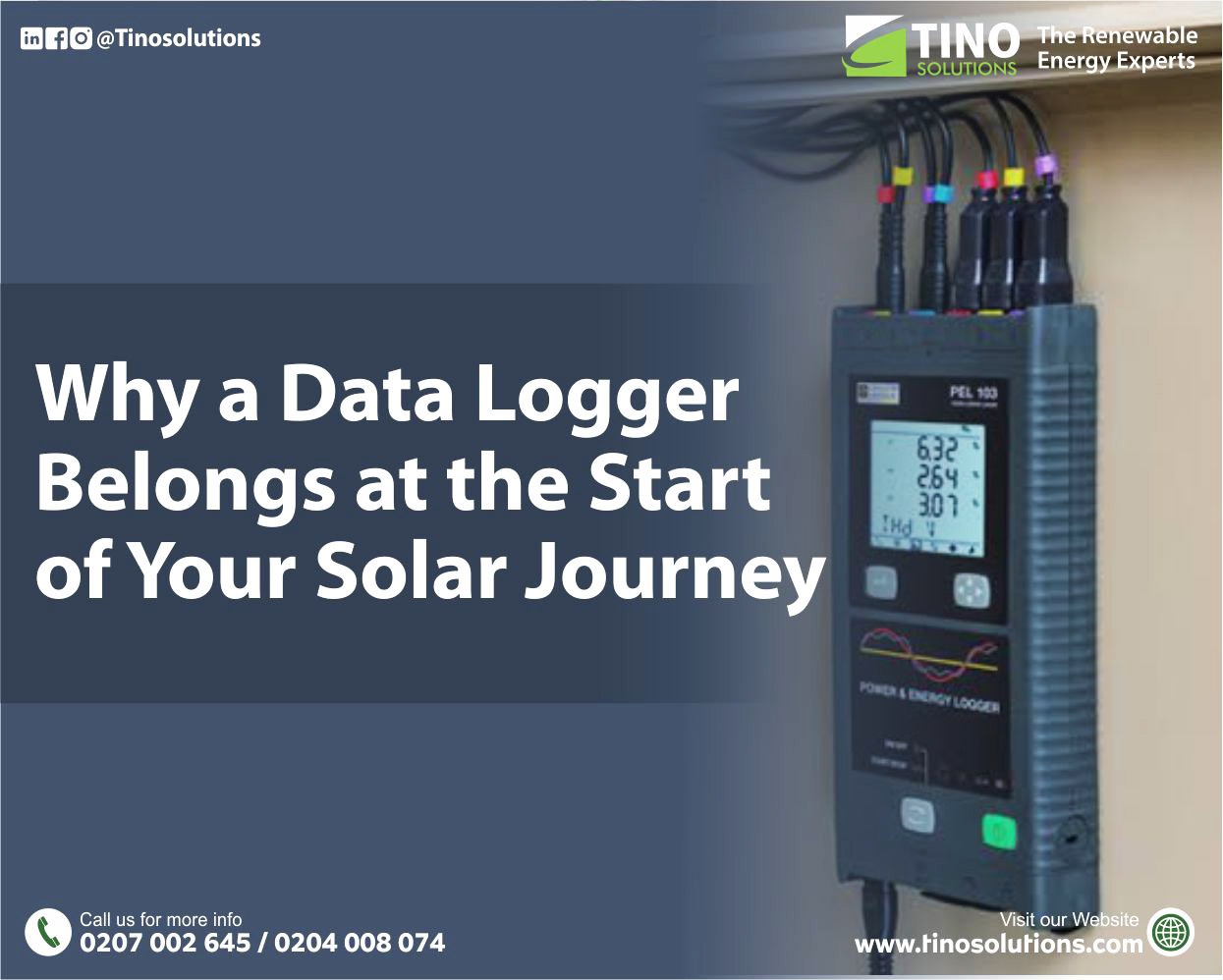
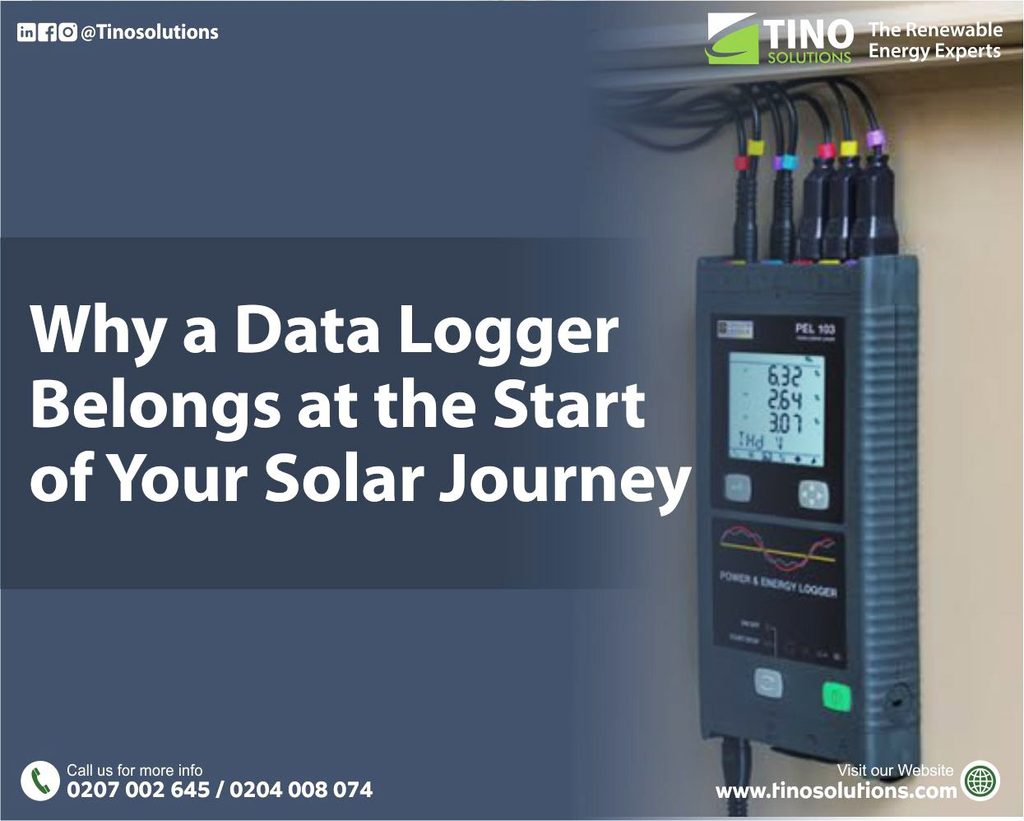
A data logger is an electronic instrument that automatically records electrical measurements at regular, predetermined intervals. Depending on the model, it can capture voltage, current, power, energy consumption, power factor, and frequency. Once connected to your electrical installation, it compiles a load profile: a detailed portrait of how your energy use swells and recedes over the course of a day.
Why Your Electricity Bill Falls Short
Your utility bill reports a single figure, the total consumption for a billing period. A data logger reveals the story behind that figure.
A household may reach its peak in the evening, when air conditioners, televisions, lighting, and kitchen appliances operate in concert. A business, by contrast, may peak during working hours as machinery and computers run at full tilt. By monitoring usage over several days or weeks, installers can gauge daily consumption, pinpoint periods of peak demand, and distinguish weekday, weekend, and overnight patterns. The distinction matters: a system designed around estimates may fall short of your genuine energy requirements.
Better Data, Better System Sizing
The foremost advantage of logging before installation is precision in sizing. The readings allow installers to estimate the ideal solar panel capacity, inverter rating, and battery storage.
Consider a property that uses 20 kWh daily but experiences heavy evening demand. It will require ample battery capacity to sustain its nighttime needs. Similarly, identifying moments when several high-power appliances run simultaneously clarifies the output the inverter must deliver.
Uncovering Hidden Waste
Logging can also expose inefficiencies that go unnoticed in daily life, such as air conditioners running for protracted periods or equipment left powered overnight. Addressing these before installation may meaningfully reduce the overall cost of your system.
The Takeaway
A successful solar installation is built upon your actual energy needs, not assumptions. A data logger transforms guesswork into evidence, giving you and your installer a firm foundation for every decision that follows.
At Tino Solutions, we pair thorough site assessments with detailed energy monitoring to engineer solar systems that are dependable, efficient, and tailored to each customer’s true requirements.